


How to Save Money on Everyday Essentials in the UK
Introduction — Why saving on essentials matters (and where to start)
How to save money on everyday essentials: Every household in the UK pays for a repeating set of essentials: food, cleaning and personal care items, utilities (gas, electricity, water), transport, prescriptions and basic services. Small monthly savings in each of these categories add up fast — and with a few habits, tools and one-off moves you can cut hundreds (or even thousands) from your yearly spend without a big lifestyle sacrifice.
This in-depth guide, created by the team at UKDealsfinder.com, focuses on practical, UK-specific ways to save money on everyday essentials without sacrificing quality or convenience. It covers proven grocery shopping strategies, affordable household supplies, energy and water savings, transport costs, health and prescription expenses, subscriptions, and smarter banking choices. You’ll also find 40+ actionable money-saving hacks you can start using this week. Where relevant, we link to official and trusted UK sources, helping you make informed decisions quickly, confidently, and with real, measurable results.

Quick wins: 12 immediate savings that often pay for themselves
- Switch energy supplier — many households save by comparing and switching tariffs. Use comparison sites to find deals and cashback when switching.
- Buy a Railcard (if eligible) — Railcards typically save one-third on many rail fares; a single purchase can quickly pay for itself if you travel regularly. Railcard
- Use supermarket loyalty prices and apps — Clubcard, Nectar and app deals can push big savings on shop-and-save items. Don’t assume loyalty prices are always cheapest; compare.
- Grab cashback for big online buys — register with TopCashback/Quidco and route big purchases through them.
- Buy a Prescription Prepayment Certificate (PPC) if you pay for multiple prescriptions. Calculate if it would be cheaper than paying per item.
- Meal-plan and bulk buy the pantry basics — planned shopping avoids impulse buys and waste.
- Freeze leftovers and batch cook — reduces food waste and per-meal costs.
- Shop seasonal fruit & veg; pick basics at discount chains — Aldi and Lidl often undercut big supermarkets on basics.
- Cancel unused subscriptions and downgrade plans — TV, music and cloud storage bills are often wasted.
- Use a supermarket price-matching / clearance section — reduced-to-clear can give quality at big discounts.
- Use cloths & refillables where practical (eco + cheap) — reusable tea towels, refillable soap and washing tabs save long-term.
- Apply for council tax reduction if eligible — especially if you’re on low income, single occupancy or a student. GOV.UK
Part 1 — Groceries & household consumables: where the biggest everyday savings hide
Food and household items typically form the largest slice of weekly spend. With targeted strategies you can cut this bill substantially without eating beans on toast every night.
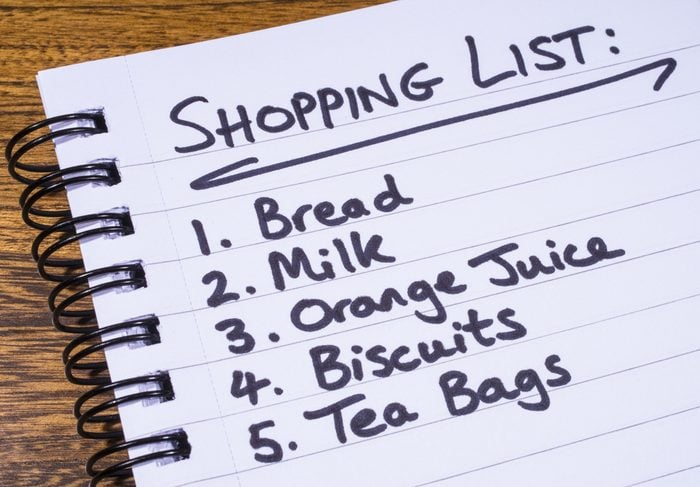
1.1 Shop with a plan — meal planning and weekly lists
- Make a 7-day meal plan before shopping, build a shopping list from it and stick to it. This reduces impulse buys and food waste.
- Shop the cupboard first: you’ll often be surprised by forgotten staples.
- Plan for leftovers: cook once, eat twice. Freeze portions for busy days.
Why it works: planned shopping reduces uneaten food and impulse purchases — research and consumer groups repeatedly show that meal planning is one of the most reliable ways to reduce weekly grocery spend.
1.2 Choose where you shop strategically
- Discount supermarkets (Aldi, Lidl) often beat big chains on basics — swapping a portion of your shop to these retailers can reduce the weekly bill materially. Forums and price comparisons show Aldi frequently undercuts major supermarkets for many staples.
- Don’t assume own-brand vs branded always wins — for specific products compare unit price (price per 100g / per litre) rather than pack price.
- Shop multiple stores for best bargains — if you have time, split your shop: basics at a discount chain, specials at a big supermarket when they have Clubcard/Nectar deals.
1.3 Loyalty apps & prices: use them, but compare
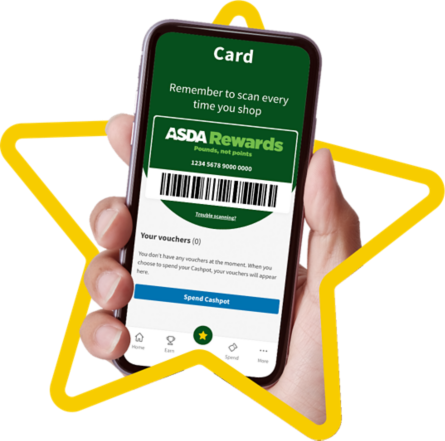
- Tesco Clubcard / Sainsbury’s Nectar / Lidl Plus can deliver big value through personalized coupons and Clubcard prices. Some users report yearly savings in the hundreds using Clubcard prices and offers, but loyalty deals are not always the cheapest for every single item — check popular items before you switch loyalties entirely.
- Use price comparison tools and do a quick mental price check: if a loyalty “deal” still costs more than the discount chain price, pick the cheaper option.
1.4 Buy bulk for non-perishables / freezer essentials
- Bulk buying for items like rice, pasta, tinned goods, toilet roll and cleaning supplies reduces unit cost.
- Freeze meat and bread to extend life and avoid waste.
- Use airtight storage to keep bulk purchases fresh and deter pests.
1.5 Smart swaps: what to replace and when
- Replace single-use household items with long-lasting refills (e.g., refill bottles for surface cleaner, laundry strips or tablets).
- Swap branded cleaning and toiletry items for store own-brand equivalents that pass independent quality checks — many are comparable at a fraction of the price.
1.6 The clearance aisle & markdown hunting
- Reduced to clear sections in supermarkets often contain high-quality goods near expiry at huge discounts — buy and freeze or use quickly.
- Train yourself to check stickers and packing dates; many items remain fine for days after the reduced date.
1.7 Couponing, apps and cashback for grocery shopping
- Cashback sites sometimes offer grocery cashback for online supermarket shops or contribute when you shop for household appliances and larger items. For many big purchases, cashback via TopCashback or Quidco is worth checking.
- App offers (Lidl Plus, Tesco Clubcard app) give targeted discounts. Scan apps before you shop.
Part 2 — Energy and utilities: small changes, big savings
Energy is a recurring pain point for UK households. While macro forces (price caps, wholesale markets) matter, you can still control usage and costs.
2.1 Know the energy price cap and what it means for you
Ofgem sets a price cap for typical households on standard variable tariffs — the cap gives a ceiling for what suppliers can charge for unit rates and standing charges. The cap has moved in recent months, so check current levels before assuming anything; it’s used to set expectations and is helpful when comparing deals.
2.2 Switch supplier and tariff — comparison is essential
- Use comparator sites (Uswitch, MoneySuperMarket, Compare the Market) to see whether a cheaper fixed or variable tariff is available where you live. Even small annual differences add up.
- When switching, check exit fees and the timing of fixed deals (you may be able to move to a cheaper fixed deal once current fixed terms expire).
2.3 Simple home changes that reduce consumption
- Turn thermostats down by 1°C — noticeable savings with minimal comfort loss.
- Use a smart thermostat or smart radiator valves to heat only the rooms you use.
- Insulation & draught-proofing: plug draughts, add loft insulation if possible — energy providers and some government schemes offer grants or interest-free loans for home improvements in some circumstances.
- Service boilers and bleed radiators — an efficient system uses less fuel.
2.4 Behaviour hacks at no cost
- Time laundry loads to full loads and use quick-wash on lower temperatures.
- Air-dry clothes where possible (dryers are energy-hungry).
- Turn off devices at the wall instead of leaving them on standby — use smart plugs to schedule off times.
2.5 Check for grants & vulnerable household support
- Many suppliers have hardship funds and the Priority Services Register for eligible customers. Check your supplier’s schemes. Government and local charities occasionally offer targeted help during cold snaps — always check gov.uk and your supplier. (Official links: Ofgem and government guidance.)
Part 3 — Transport: travel smarter, not less
Transport is a repeat cost where a few one-off purchases (a Railcard, season tickets) and behaviour changes can yield sustained savings.
3.1 Railcards and season tickets
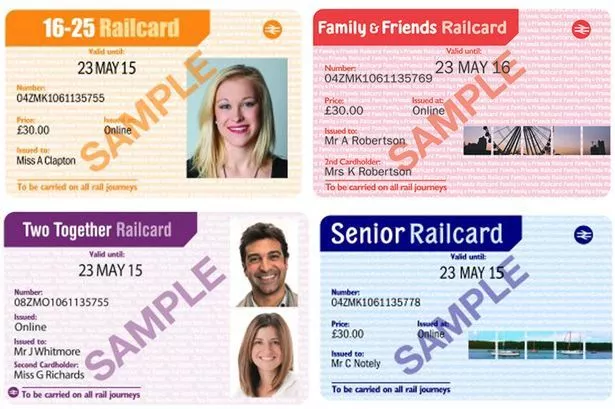
- Railcards (16–25, 26–30, Two Together, Senior) normally offer one-third off many fares — if you travel by train for work, study or leisure, a Railcard’s annual fee is usually recouped quickly. Check eligibility and terms (some Railcards apply mainly off-peak).
- Annual vs monthly season tickets: if you commute daily, an annual season ticket can be cheaper than monthly, but only buy if you’re confident of travel patterns. Consider splitting costs with an employer if travel passes are subsidised.
3.2 Use buses, bikes and ride-shares strategically
- Bus passes and multi-trip tickets can be much cheaper than single trips. Consider weekly or monthly passes if travelling daily.
- Active travel: cycling or walking short journeys saves money and improves health. If you can cycle, it’s almost always cheaper than public transport for short trips.
3.3 Car running costs: shop smart
- Fuel apps and price comparison (e.g., PetrolPrices) help you find the cheapest local fuel.
- Economical driving (smooth acceleration, correct tyre pressure) reduces fuel use.
- Insurance: annual renewals are a good time to compare quotes and switch insurers. Cashback sites often have special offers for switching insurance.
Part 4 — Health, prescriptions and family essentials
Healthcare and family basics can represent unpredictable spend. Know the rules that save money.
4.1 NHS prescriptions: know when a PPC is worth it
In England, prescriptions are charged per item (check current price before acting) — if you pay for more than a few prescriptions each year a Prescription Prepayment Certificate (PPC) can be cheaper. Keep an eye on the exact price per item and PPC thresholds; the NHS website is the official source.
(Note: prescriptions are free in Scotland, Wales and Northern Ireland — check devolved nation rules.)
4.2 Family essentials: nappies, formula, baby supplies
- Buy nappies in bulk or subscribe and save schemes; supermarket own-brands are comparable for many families.
- Use sample packs and compare formula prices; some manufacturers run direct voucher programs and price promotions.
- Swap & borrow: hand-me-down baby clothes, nursery items or local parenting groups can reduce spend.
4.3 Dental & optician savings
- NHS dental checkups are cheaper than private in many cases (availability can vary), and NHS optical vouchers may apply for eligible people. Always ask about NHS services or NHS charges when booking.
Part 5 — Banking, credit cards & subscriptions — Get paid to spend (safely)
Small regular bank fees and unused subscriptions slowly bleed your budget.
5.1 Bank accounts & switching bonuses
- Switching current accounts sometimes gives you a cash sign-up bonus. Weigh the bonus against any required activity and the account’s features (overdraft fees, interest). Use official bank comparison sites and read terms carefully.
5.2 Cashback & reward credit cards — use responsibly
- Cashback cards can return a percentage of spend — use only if you pay in full each month to avoid interest. For big categories (groceries, fuel) a cashback card can be very effective, but beware annual fees and foreign transaction charges.
5.3 Cancel or renegotiate subscriptions
- Perform a subscription audit: list recurring payments and cancel what you don’t use. Negotiate telecom or TV bundle deals with your provider — they often give retention or loyalty discounts when you ask.
Part 6 — Clothes, toiletries and personal items: look sharp on a budget
6.1 Buy off-season, use charity shops and online preloved
- Shopping off-season and using charity shops, Vinted, eBay and Facebook Marketplace gets designer or good quality clothes far cheaper.
6.2 Refillable and bulk toiletries
- Choose refill stations or bulk refills for hand wash, laundry detergent and shampoo when available. Refillable deodorant and multi-use soap bars cut costs and waste.
6.3 DIY small repairs
- Learn basic clothing repairs (sewing on buttons, small hems) and small home fixes — saves paying for replacement items prematurely.
Part 7 — Seasonal & situational strategies that compound savings
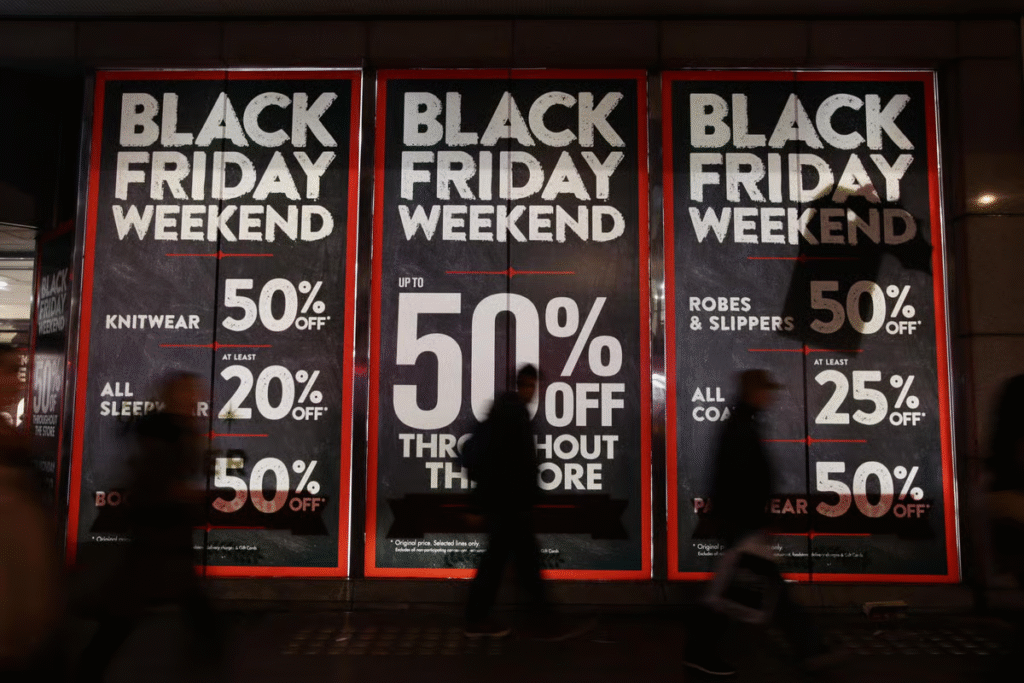
7.1 Black Friday, seasonal sale strategy
- Use seasonal sales for big non-essential buys you planned for: appliances, tech, winter coats. Use price-tracking tools and cashback portals to get further savings.
7.2 Annual review day (set a date)
- Once a year, set aside a day to: compare energy tariffs, insurance quotes, mobile & broadband contracts, bank deals and subscriptions. This small annual effort often saves hundreds.
7.3 Use waiting & price-drop protection
- For appliances and tech, many retailers have a short price-drop protection window — buy and then ask for a partial refund if price falls within X days.
Part 8 — Advanced saving techniques & tools
8.1 Unit price comparison & spreadsheet tracking
- Track unit prices (per 100g or per litre) in a simple spreadsheet or app; this helps identify true value when pack sizes change. Over time you’ll learn which products are genuinely worth buying as pricier options.
8.2 Use cashbacks, vouchers and browser extensions
- Browser extensions and cashback sites (TopCashback, Quidco) and voucher apps can apply codes and yield a return on online spending. Always check two cashback sites for the best available rate before making a large purchase.
8.3 Bulk splitting & food swaps within communities
- Buy bulk with neighbours and split large packs — great for frozen meat or bulk store items.
- Community cupboards / food sharing apps sometimes allow swapping surplus food locally.
8.4 Energy monitoring devices
- Smart meters and in-home displays show real-time usage and help you identify high-consumption devices. Smart plugs with energy monitoring can show which appliances are power hogs.
Part 9 — Safety nets & benefits you might be missing
9.1 Check eligibility for benefits and discounts
- Low-income households, carers, students, veterans and parents may be eligible for discounts, grants or free schemes. Council Tax Reduction and other local support exist — always check gov.uk and your local council’s pages.
9.2 Crisis support & one-off grants
- If you’re struggling with bills, contact your local council and energy supplier: hardship funds, payment plans, and local charity grants can help. Suppliers also run Priority Services and hardship schemes.
Part 10 — Putting the plan into action: 30-day challenge to cut essentials spending
Follow this 30-day checklist to lock in new habits and immediate savings.
Week 1 — Audit & quick wins
- Day 1: Track last month’s spending by category (groceries, utilities, transport, subscriptions).
- Day 2: Cancel unused subscriptions.
- Day 3: Compare energy suppliers and set a reminder to switch if cheaper.
- Day 4: Register with at least one cashback site (TopCashback or Quidco).
- Day 5: Buy a Railcard if you travel regularly.
2 — Groceries & pantry
- Day 6: Plan 7 meals and make a shopping list.
- Day 7: Do a price comparison of your most bought items (unit price).
- Day 8: Switch part of your shop to a discount supermarket for staples.
- Day 9: Use apps for loyalty coupons and check removal of impulse items from your cart.
- Day 10: Check reduced-to-clear options and freeze what you don’t need immediately.
3 — Bills & family essentials
- Day 11: Get quotes for home insurance and switch if you can save.
- Day 12: Look at broadband bundles and consider negotiating with your provider.
- Day 13: If you pay for prescriptions frequently, calculate PPC vs pay-per-item — buy PPC if cheaper.
- Day 14: Reusable swaps — buy refillables or multipacks for toiletries.
4 — Long term habits
- Day 21: Set price-alerts for big purchases.
- Day 24: Set a calendar reminder to re-run comparisons quarterly.
- Day 28: Teach household members the new rules (meal plan, no impulse buys).
Frequently asked questions (UK specific)
Q: Are prescriptions always the same price across the UK?
A: No — prescription charge rules differ between England, Scotland, Wales and Northern Ireland. In England there is a per-item charge (check NHS for the current per-item rate); in other nations prescriptions are often free or differently subsidised. Always check NHS pages for the latest figures.
Q: Will switching energy supplier always save money?
A: Not always — you must compare like-for-like tariffs and account for exit fees. The energy price cap sets a ceiling for default variable tariffs, but fixed deals can be cheaper at times. Use comparison sites to confirm.
Q: Are loyalty cards worth it?
A: Often yes — many shoppers save significantly through Clubcard and Nectar deals, but loyalty prices don’t guarantee the cheapest price every time. Use loyalty deals for items you already buy and still compare for big ticket or bulk buys.
Top 25 actionable tips — the checklist you can print
- Meal plan weekly.
- Compare unit prices, not pack prices.
- Buy basics at discount supermarkets.
- Use Clubcard/Loyalty coupons for items you already buy.
- Register with TopCashback and Quidco for online purchases.
- Buy a Railcard if you travel by train regularly.
- Switch energy supplier if a better tariff exists; check Ofgem guidance.
- Turn thermostat down 1°C.
- Fix draughts and insulate lofts when possible.
- Use reduced-to-clear and freeze immediately.
- Buy non-perishables in bulk and split with friends/family.
- Use refillable toiletries.
- Cancel unused subscriptions.
- Use cashback portals for insurance, broadband and utilities switching.
- Compare broadband & mobile annually.
- Try charity shops for clothes and household items.
- Consider a prescription PPC if you buy multiple items each year.
- Use smart plugs and monitors to identify power hogs.
- Air-dry laundry where possible.
- Use loyalty and student discounts where eligible.
- Use a shopping list and stick to it.
- Negotiate with your provider for TV/broadband/phone deals.
- Use a quick price check extension for online shopping.
- Consider cheap meal staples: pulses, tinned fish, seasonal veg.
- Set an annual “money audit day” to re-compare everything.
Resources & official pages (start here)
- NHS prescriptions (England) — official guidance & current per-item charge.
- Ofgem — energy price cap explanation and consumer advice.
- Railcards official information — types and savings for UK rail travel.
- Uswitch — energy comparisons and switching guides.
- MoneySavingExpert — broad consumer advice, cashback, grocery tips.
- Guardian analysis on loyalty cards and supermarket savings (useful independent view).
Closing — make small changes, see large gains
Cutting everyday costs in the UK isn’t about hardship — it’s about smarter choices. A handful of one-off moves (switching tariff, buying a Railcard, signing up for cashback) combined with regular habits (meal planning, bulk buying, loyalty savvy shopping) can reduce household spending noticeably within weeks. Use the 30-day plan above, bookmark the resources, and run the annual audit to make savings stick.